DTR150 launch

AWT is proud to introduce the DTR150, a compact digital transceiver built to support practical, efficient wildlife tracking in the field. Designed as a versatile all-in-one platform, the DTR150 combines VHF, UHF, and Bluetooth Low Energy to give users more flexibility across both traditional and modern tracking workflows.

In VHF mode, the DTR150 supports classic directional tracking with a Yagi antenna, helping field teams locate tagged animals with precision. Its UHF capability expands what users can do on site, including remote device configuration, status requests, and direct download of stored tracking data. BLE adds a more user-friendly layer, allowing seamless transfer of VHF frequency channels and end-device data.

The result is a field-ready tool that brings multiple communication methods into a single device. For clients working in dynamic conditions, the DTR150 is built to improve control, streamline data handling, and support reliable wildlife tracking operations.
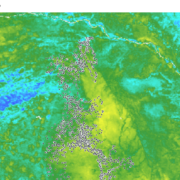
A map illustrating suitability and variable coefficients for a lion

Wildlife Analytics Features

The AWT engineering team is currently alpha testing a powerful new analytics suite for the AWT Tracker App. Planned as a future add-on, these tools are designed to help users move beyond raw location data and gain deeper insight into animal movement, habitat use, and behavioural trends.

The upcoming analytics functions include home range estimators, movement strategy analysis, least-cost corridor modelling, habitat suitability prediction, movement forecasting, vegetation change analysis, and behavioural state classification. Together, these features are intended to support stronger interpretation of field data and improve the value of tracking information for research and management teams.

The movement strategy of a lion illustrates an individual with a preference for locational residency and seasonal migration.

This update reflects AWT’s continued investment in software that complements its tracking hardware and supports better conservation outcomes across the full monitoring workflow. Teams interested in helping shape these tools can contact support@awt.co.za to enquire about joining the upcoming beta testing phase

AI: The Future in Tracking Technology

Artificial intelligence is set to play a major role in the next generation of wildlife tracking. At AWT, ongoing research and development is focused on AI-enabled tracking systems, early warning collars, and intelligent animal tags that can do more than report location alone.

By combining advanced sensing technology with onboard processing, these systems could help researchers and conservation teams better understand movement patterns, recognise activity states, detect abnormal behaviour, and respond faster to critical events in the field. The goal is not simply to collect more data, but to turn tracking data into practical insight that improves decision-making in demanding environments.

There are still important challenges to solve. Battery efficiency, device size and weight, and the need for species-specific AI models all remain central to development. Behaviour differs significantly across species, which means reliable performance depends on high-quality datasets, careful model training, and robust testing under real field conditions.

As this work continues, AWT sees AI as a powerful step toward smarter, more responsive wildlife monitoring systems.